
Lake Lanier Lifestyle & Recreation
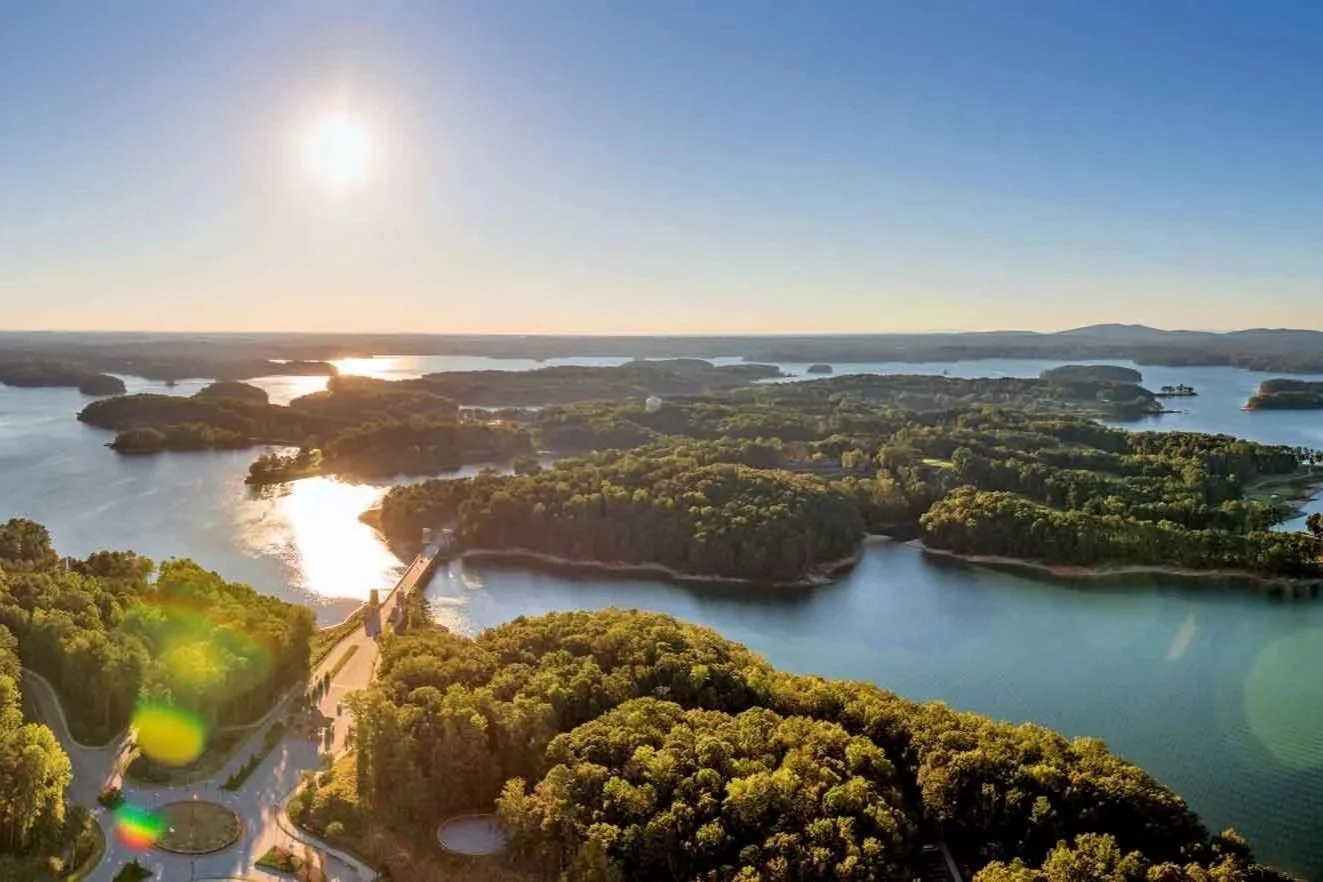
Lake Lanier
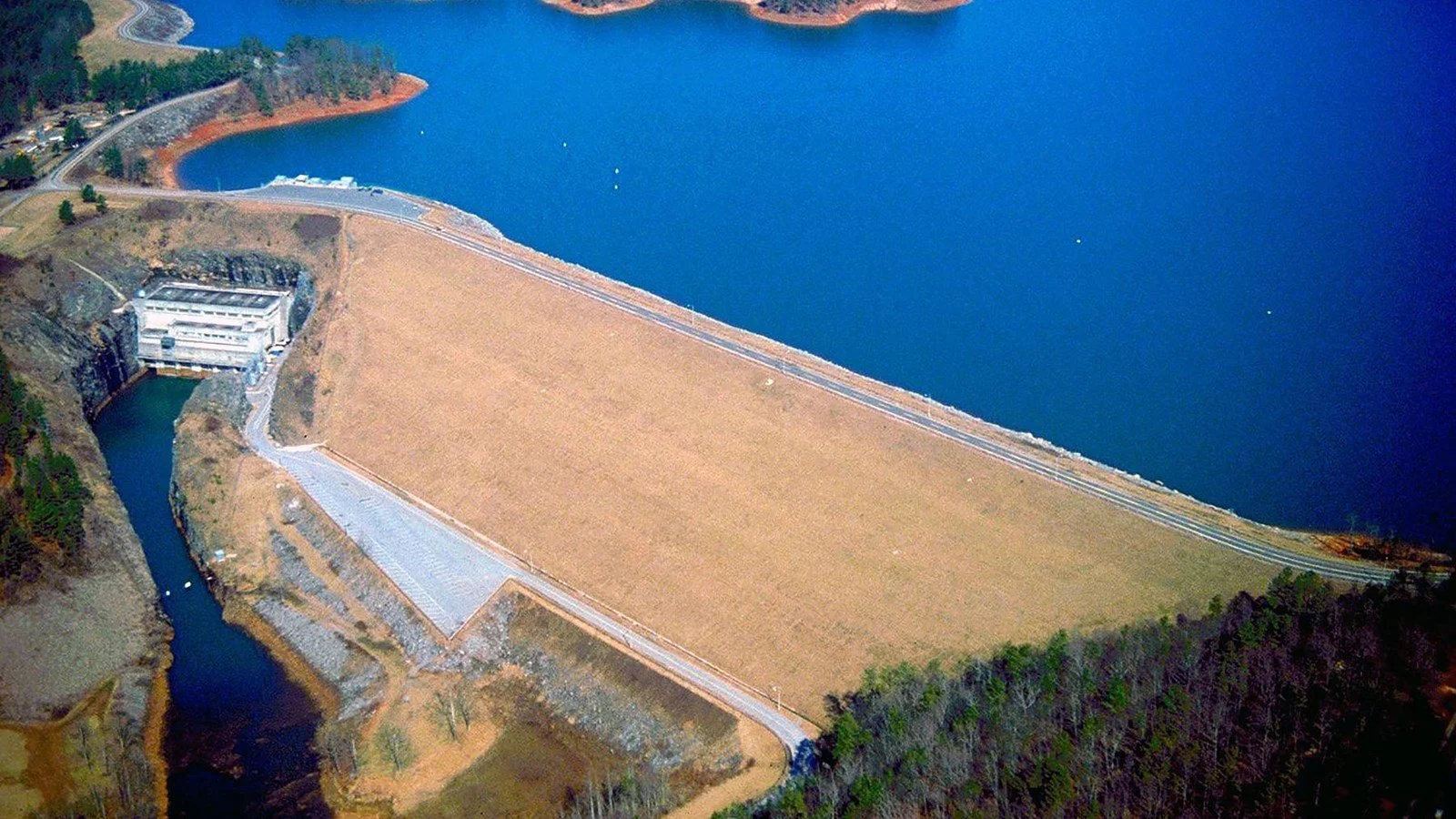
Lake Lanier, officially Lake Sidney Lanier, is a man-made reservoir in northern Georgia, United States. Created in the 1950s by the construction of Buford Dam on the Chattahoochee River, it is the largest lake in Georgia and among the most visited inland recreational areas in the southeastern United States. The lake supplies water, controls floods, generates hydroelectric power, and supports extensive tourism and recreation.
Key facts
Completed: 1956–1957
Surface area: ~38,000 acres
Shoreline: about 690–700 miles
Counties: Hall, Forsyth, Gwinnett, Dawson, Lumpkin
Managing agency: U.S. Army Corps of Engineers
Formation and purpose
Construction of Buford Dam transformed portions of the Chattahoochee and Chestatee River valleys into Lake Lanier. It was authorized as a multipurpose reservoir for flood control, water supply, navigation improvement, power generation, and recreation. Beneath its waters lie the remnants of several rural communities displaced during the project’s development.
Geography and features
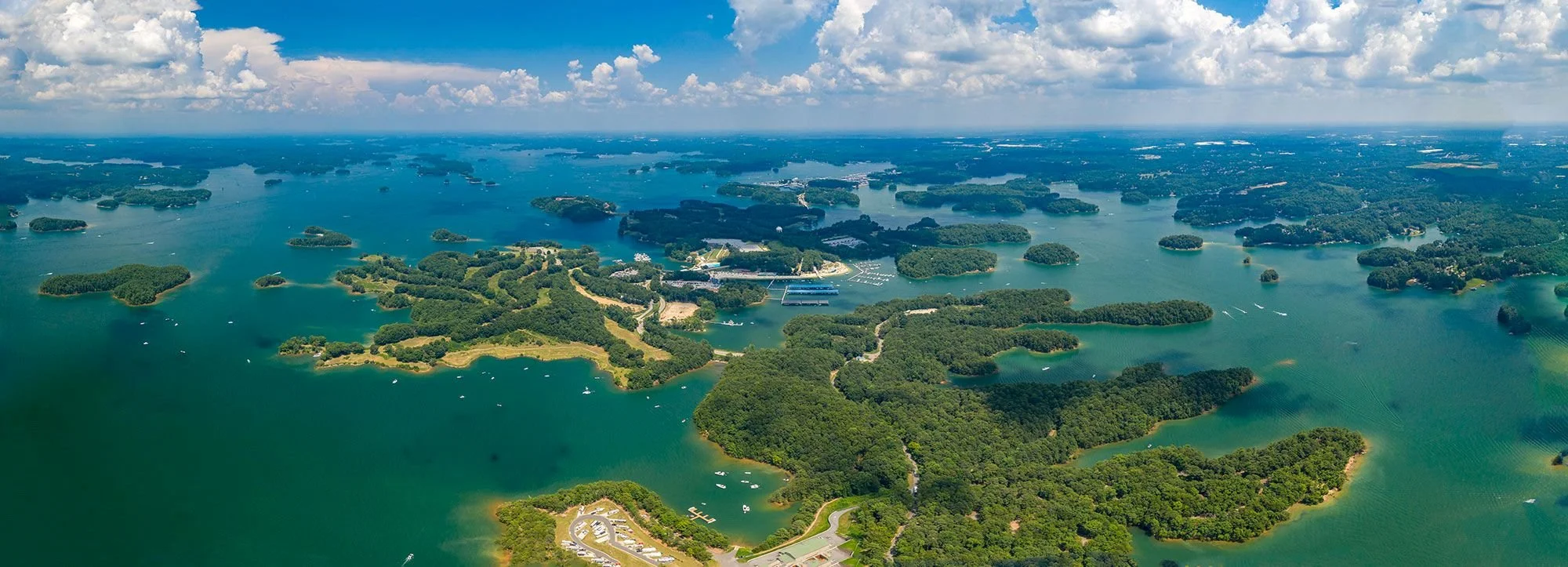
Situated about 50–60 miles northeast of Atlanta, the lake stretches across five counties in the foothills of the Blue Ridge Mountains. Numerous coves, peninsulas, and more than 100 small islands contribute to its scenic complexity. The surrounding lands encompass over 19,000 acres of protected shoreline and dozens of public parks and campgrounds.
Recreation and tourism
Lake Lanier draws tens of millions of visitors annually for boating, fishing, swimming, and lakeside vacations. It contains over 10 marinas and 70 recreational areas. Lanier Islands—a resort complex on the southern end—hosts hotels, beaches, golf courses, and the Margaritaville at Lanier Islands water park. The lake’s clear waters are renowned for bass fishing and water sports.
Cultural and sporting significance
Lake Lanier gained international attention during the 1996 Summer Olympics, when Lake Lanier Olympic Park in Gainesville hosted rowing and canoe/kayak competitions. The venue remains active for regattas and outdoor events, reinforcing Lanier’s role as both a recreational and competitive water-sports hub.
Environmental and community role
Beyond recreation, the reservoir serves as a primary drinking-water source for the Atlanta metropolitan area and neighboring regions. Balancing water use, power needs, and ecological preservation continues to shape regional policy discussions around the lake’s management.